Immunobiology



Chyi-Song Hsieh, MD, PhD
Washington University
St Louis, MO, United States
Disclosure(s): No financial relationships with ineligible companies to disclose
Michel Sadelain, MD, PhD
Memorial Sloan Kettering Cancer Center
New York, NY, United States
Disclosure(s): Atara Biotherapeutics, Inc.,: Grant/Research Support (Ongoing), Ownership Interest (Ongoing); Fate Therapeutics: Grant/Research Support (Ongoing), Ownership Interest (Ongoing); Juno Therapeutics: Ownership Interest (Ongoing); Mnemo Therapeutics: Grant/Research Support (Ongoing), Ownership Interest (Ongoing); Takeda Pharmaceutical Company, Ltd.,: Grant/Research Support (Ongoing), Ownership Interest (Ongoing)
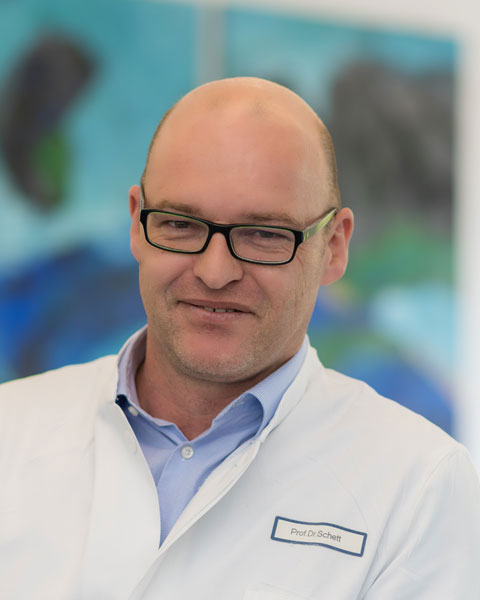
Georg Schett, MD
Friedrich-Alexander-Universität Erlangen-Nürnberg
Erlangen, Germany
Disclosure(s): No financial relationships with ineligible companies to disclose
Engineered T cell therapies targeting B cells, such as CD19-targeted chimeric antigen receptor (CAR)-T cells, have revolutionized the treatment of blood cancers and hold promise for treatment of patients with autoimmune diseases. Beyond conventional CARs, novel T cell engineering strategies provide unprecedented opportunities to develop antigen-specific precision cellular immunotherapies to selectively deplete autoreactive B cells or T cells in a given autoimmune or rheumatic disease, while preserving normal immune responses. This session will introduce learners to fundamentals in T cell engineering, juxtapose different engineering approaches that are being developed for antigen-specific targeting of autoreactive B cells or T cells, and highlight the extraordinary preliminary immune effects of immunotherapy for the treatment of autoimmunity
Speaker: Michel Sadelain, MD, PhD – Memorial Sloan Kettering Cancer Center
Speaker: Georg Schett, MD – Friedrich-Alexander-Universität Erlangen-Nürnberg
Speaker: Chyi-Song Hsieh, MD, PhD – Washington University